Who Walks in First at a Funeral? Funeral Order of Service Explained (UK Guide)

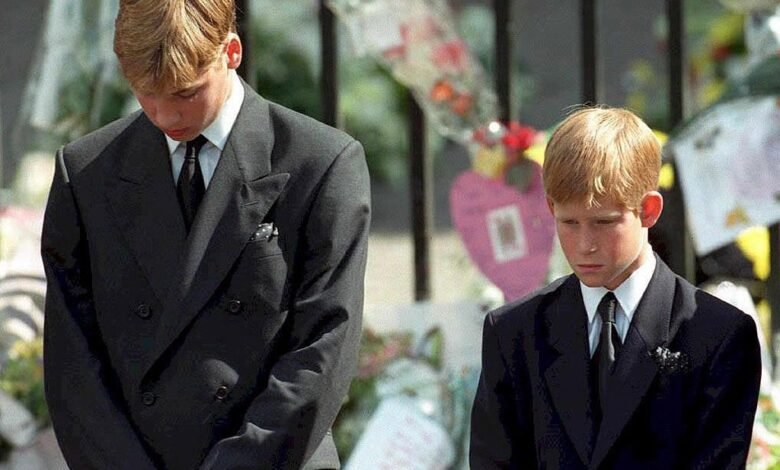
Understanding funeral customs in the UK is important for anyone attending or arranging a service, especially during emotionally sensitive times. One of the most frequently asked questions is who walks in first at a funeral, as this reflects both tradition and respect. The order of service is designed to bring structure, dignity, and calmness to what can otherwise feel like a very overwhelming moment for families.

When exploring who walks in first at a funeral, it becomes clear that the procession is not random but carefully organised. Every individual involved has a meaningful role, whether they are leading the service, carrying the coffin, or supporting close family members. This structured approach helps ensure that the ceremony flows smoothly while maintaining respect for the deceased and emotional support for those grieving.
Meaning of Funeral Procession Order in the UK
The funeral procession order holds deep symbolic meaning in British culture, reflecting respect, hierarchy, and tradition. Many people ask who walks in first at a funeral because they want to understand the logic behind the sequence. In reality, the order is designed to represent guidance, farewell, and emotional support, rather than status or importance among attendees.
In most UK funerals, the procession is carefully arranged to honour the deceased while providing clarity for mourners. When considering who walks in first at a funeral, it is essential to recognise that this role often belongs to the officiant or funeral director. Their responsibility is to lead the ceremony and ensure that each stage of the service is carried out with dignity and precision.
Who Walks in First at a Funeral in UK Traditions
In traditional UK ceremonies, the answer to who walks in first at a funeral is typically the officiant, minister, or celebrant. This individual leads the procession into the venue and prepares the space for the arrival of the coffin. Their position at the front symbolises leadership, structure, and spiritual or ceremonial guidance throughout the service.
However, in modern or non-religious services, the funeral director may take the lead instead. This variation shows that who walks in first at a funeral can depend on the type of ceremony being held and the wishes of the family. Regardless of who leads, the purpose remains the same: to ensure a respectful, organised, and meaningful farewell.
Step-by-Step Funeral Procession Order
After the procession leader enters, the next stage of who walks in first at a funeral involves the pallbearers. These individuals carry or escort the coffin or urn, and their role is central to the ceremony. Their movement symbolises care, honour, and the physical act of guiding the deceased on their final journey with dignity and respect.
Following the coffin, the immediate family members enter, usually beginning with the closest relative such as a spouse or partner. When people ask who walks in first at a funeral, they are often surprised to learn that family members follow rather than lead. This structured sequence helps maintain emotional order and allows the service to unfold in a calm and respectful manner.
Immediate Family Roles and Funeral Etiquette
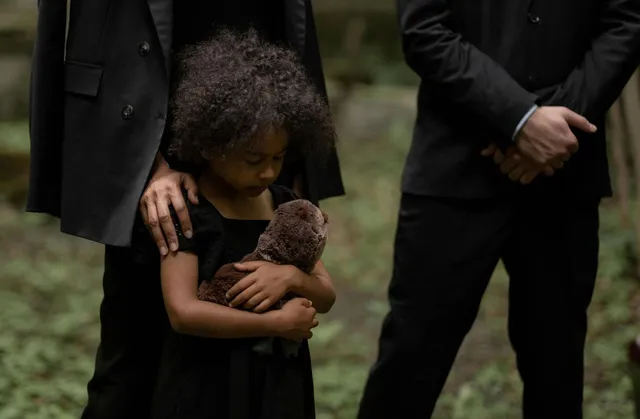
Immediate family members play a deeply emotional role in the funeral procession, even though they do not usually walk in first. Understanding who walks in first at a funeral also involves recognising how family members are supported through a carefully arranged order. Their position directly behind the coffin reflects closeness to the deceased and shared personal loss.
In many UK funerals, immediate family may be seated before the procession begins, depending on the venue and service style. This means that who walks in first at a funeral can sometimes shift slightly in modern arrangements. Despite these variations, the focus always remains on ensuring that family members feel supported, respected, and given space to grieve appropriately.
Modern Variations in UK Funeral Services
Modern funerals have introduced more flexibility into traditional structures, which can influence who walks in first at a funeral. In some crematorium services, for example, guests are seated before the coffin enters, meaning the procession is less visible or even simplified. This approach prioritises ease and comfort for grieving families while maintaining respect for tradition.
Other contemporary arrangements, such as direct cremations or memorial services, may not include a formal procession at all. In these cases, the question who walks in first at a funeral becomes less relevant, as the focus shifts towards remembrance rather than structured entry. These modern practices reflect changing attitudes toward personalised and simplified funeral services in the UK.
Symbolism and Emotional Importance of Funeral Order
The structure of who walks in first at a funeral carries significant symbolic meaning, reflecting respect, transition, and collective mourning. Each role in the procession represents a different aspect of farewell, from leadership to emotional support. This symbolic order helps create a sense of unity and dignity during a difficult and emotional occasion.
Historically, funeral order has represented the journey from life to rest, with each participant contributing to a meaningful ritual. Understanding who walks in first at a funeral allows people to appreciate the deeper cultural and emotional significance behind the ceremony. It is not just about sequence, but about honouring life, memory, and shared respect.
Conclusion on Funeral Order of Service
In conclusion, who walks in first at a funeral is usually the officiant or funeral director, depending on whether the service is religious or non-religious. Their role is to guide the ceremony and ensure that everything proceeds with dignity, respect, and structure. This leadership helps set the tone for the entire service.
Ultimately, who walks in first at a funeral may vary depending on cultural traditions, family preferences, and modern practices. While the structure can adapt, the purpose remains consistent: to honour the deceased and support those who are grieving. The funeral order of service continues to be an important part of British funeral customs, providing clarity and comfort during a time of loss.