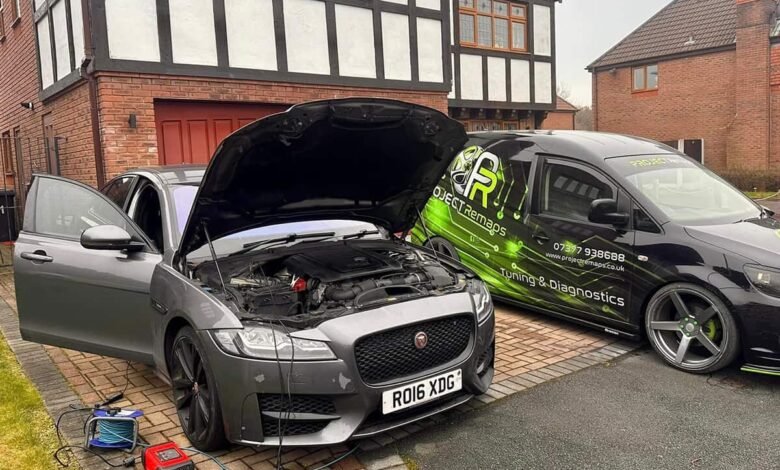
The stage 1 remap calculator is an online performance estimation tool designed to help drivers understand the potential gains from ECU tuning before making any modifications. It analyses basic vehicle information such as engine size, fuel type, and factory power output to estimate improvements in horsepower and torque. For many UK drivers, the stage 1 remap calculator provides a simple and accessible introduction to vehicle tuning without requiring technical expertise.


In practical terms, the stage 1 remap calculator acts as a bridge between curiosity and decision-making. Instead of guessing what a remap might achieve, drivers can view realistic performance ranges based on similar vehicles already tuned. This makes the stage 1 remap calculator especially useful for those considering upgrades but wanting clearer expectations before investing in professional tuning services.
How stage 1 remap calculator works
The stage 1 remap calculator works by using a large dataset of tuning results collected from different vehicles and engine configurations. When a user enters their car details, the system compares them with similar models and applies average tuning gains to estimate new performance figures. This process allows the stage 1 remap calculator to generate quick and helpful predictions without physically modifying the vehicle.
Although the calculations are based on real-world data, the stage 1 remap calculator still relies on averages rather than exact measurements. This means the results should be seen as guidance rather than guarantees. Factors such as engine wear, driving habits, and fuel quality can influence the final outcome, which is why professional tuning is still essential for precise results.
Benefits of using stage 1 remap calculator
One of the key benefits of the stage 1 remap calculator is its ability to give drivers instant insight into potential performance improvements. Instead of relying solely on tuning company claims, users can independently explore expected horsepower and torque gains. This makes the stage 1 remap calculator a valuable research tool for anyone interested in ECU remapping.
Another advantage is financial planning. The stage 1 remap calculator helps drivers assess whether the performance increase justifies the cost of tuning. By understanding potential gains in advance, users can make more informed decisions and avoid unnecessary spending. It also helps compare different vehicle models and their tuning potential before making a purchase or upgrade decision.
Stage 1 remap calculator free expectations
Many drivers search for a stage 1 remap calculator free of charge because it allows them to explore tuning options without financial commitment. These free tools typically provide estimated figures for horsepower, torque, and sometimes fuel efficiency improvements. While not exact, they give a useful overview of what a vehicle might achieve after a stage 1 remap.
However, it is important to understand the limitations of any stage 1 remap calculator free tool. Since they rely on generalised data, the results may not reflect individual vehicle conditions. The stage 1 remap calculator should therefore be used as an educational guide rather than a precise tuning forecast, helping drivers set realistic expectations before consulting a professional tuner.
Performance gains explained by stage 1 remap calculator
The stage 1 remap calculator often shows performance gains ranging between twenty and forty percent depending on the engine type. Turbocharged engines usually benefit the most, gaining significant improvements in torque and acceleration. Petrol engines tend to show smoother power delivery, while diesel engines often experience stronger mid-range pulling power.
Using a stage 1 remap calculator helps drivers visualise these improvements before committing to tuning. It provides a clearer understanding of how the vehicle will behave after modification. While results vary, the stage 1 remap calculator gives a strong indication of how much more responsive and powerful a car can become with a properly executed ECU remap.
Safety and reliability factors
A properly conducted stage 1 remap is generally safe because it works within the manufacturer’s designed engine limits. The stage 1 remap calculator helps drivers stay within realistic performance boundaries by providing conservative estimates based on tested tuning data. This reduces the risk of unrealistic expectations that could lead to poor tuning decisions.
Despite this, safety still depends heavily on the quality of the tuning provider. Even when using a stage 1 remap calculator, drivers should remember that poor software or inexperienced tuners can negatively affect engine health. Therefore, the calculator should always be paired with professional advice to ensure safe and reliable performance upgrades.
Choosing a tuning provider in the UK
Selecting the right tuning provider is essential for achieving the best results from any ECU remap. Reputable UK tuners use dyno testing and custom mapping to ensure safe and effective performance gains. While the stage 1 remap calculator provides useful estimates, the final outcome depends entirely on the skill and experience of the tuner.
Drivers should always research reviews, certifications, and customer feedback before choosing a service. A stage 1 remap calculator can guide expectations, but professional expertise ensures accuracy and safety. Combining both gives the best chance of achieving strong, reliable performance improvements without compromising engine durability.
Conclusion
The stage 1 remap calculator is a powerful tool for drivers looking to explore ECU tuning in a simple and accessible way. It helps estimate horsepower and torque gains while giving users a clearer understanding of what performance upgrades may deliver. By using a stage 1 remap calculator, drivers can make more informed decisions before investing in tuning.
Although the stage 1 remap calculator provides valuable insights, it should always be treated as a guide rather than a guarantee. Real-world results depend on multiple factors including engine condition and tuning quality. When combined with professional expertise, however, it becomes an excellent starting point for anyone interested in unlocking their vehicle’s true performance potential.