Mercedes Teesside is a leading destination for premium automotive sales, servicing, and aftersales care in Stockton-on-Tees. As an official dealership within the Mercedes-Benz network, it offers customers a complete experience built around quality, trust, and long-term value. From the moment visitors arrive, Mercedes Teesside presents a professional environment designed to support every aspect of luxury car ownership.


The reputation of Mercedes Teesside continues to grow due to its association with the Sytner Group and its commitment to manufacturer-approved standards. Customers searching for reliability, expert advice, and premium vehicles often choose Mercedes Teesside because it combines dealership expertise with a wide range of services under one roof.
Mercedes Teesside Used Cars and Approved Stock
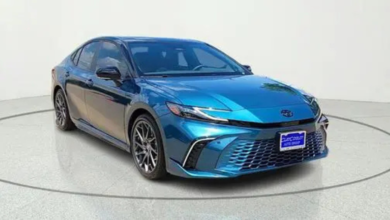
Mercedes Teesside offers a diverse selection of high-quality used vehicles, making it a popular choice for drivers looking for both value and performance. The dealership provides Approved Used Mercedes-Benz models that undergo strict inspections, ensuring they meet manufacturer requirements. Buyers visiting Mercedes Teesside can expect a wide range of hatchbacks, SUVs, and saloons suitable for different driving needs.
The availability of Mercedes Teesside stock changes frequently, giving customers access to some of the latest used models at competitive prices. Each vehicle is prepared to a high standard before being listed, offering peace of mind and long-term reliability. For many customers, Mercedes Teesside remains a trusted source when searching for premium used vehicles in the North East.
Mercedes Teesside Service, MOT and Maintenance
The service department at Mercedes Teesside plays a vital role in maintaining vehicle performance and safety. Customers benefit from manufacturer-trained technicians who use advanced diagnostic tools to ensure accurate and efficient repairs. Regular servicing at Mercedes Teesside helps preserve the longevity and value of each vehicle while maintaining optimal driving performance.
Booking a service appointment at Mercedes Teesside is straightforward and convenient, with options available for MOT testing, routine maintenance, and complex repairs. Every service is carried out according to Mercedes-Benz standards, ensuring that vehicles remain in peak condition. Many customers choose Mercedes Teesside because of its reliability, professionalism, and commitment to high-quality automotive care.
Mercedes Teesside Parts and Body Repair Services

Genuine parts are a key part of the Mercedes Teesside experience, ensuring that every replacement component meets factory specifications. The parts department supplies everything from essential mechanical components to stylish accessories designed to enhance vehicle performance and appearance. This commitment to quality ensures that all repairs carried out at Mercedes Teesside maintain original standards.
In addition to parts supply, Mercedes Teesside also offers professional body shop services for accident repairs and cosmetic restoration. Skilled technicians handle everything from minor scratches to major structural damage, using approved repair methods. This ensures that vehicles are restored to their original condition, maintaining both safety and aesthetic value.
Mercedes Teesside Contact Details and Opening Times
Customers looking to get in touch with Mercedes Teesside can do so through dedicated phone lines and online enquiry forms. The dealership team is available to assist with sales, servicing, and parts enquiries, ensuring a smooth and responsive customer experience. Whether booking a test drive or requesting service information, Mercedes Teesside provides efficient communication channels.
Mercedes Teesside opening times are designed to offer flexibility for busy customers throughout the week. Different departments such as sales, service, and parts may operate on varying schedules, allowing customers to plan their visits conveniently. This accessibility makes Mercedes Teesside a practical choice for drivers across Stockton-on-Tees and surrounding areas.
Why Choose Mercedes Teesside
Choosing Mercedes Teesside means selecting a dealership that prioritises quality, customer satisfaction, and long-term value. Backed by the expertise of the Sytner Group, the dealership provides a complete automotive solution covering sales, servicing, and aftersales support. This makes it a reliable choice for anyone looking to invest in a premium vehicle.
Many customers prefer Mercedes Teesside because it offers a seamless ownership experience, combining used car sales, servicing, and parts availability in one location. The dealership’s commitment to excellence ensures that every customer receives professional guidance and support throughout their journey. This makes Mercedes Teesside a strong contender in the UK luxury automotive market.
Conclusion
Mercedes Teesside continues to stand out as a trusted and comprehensive dealership offering premium vehicles and expert automotive services. Its strong connection to manufacturer standards and customer-focused approach ensures that every visitor receives high-quality support. From used car sales to servicing and repairs, the dealership provides everything needed for modern vehicle ownership.
For drivers seeking reliability and professionalism, Mercedes Teesside remains a dependable choice in the North East. With its wide range of services and commitment to excellence, it continues to build long-term relationships with customers. Whether buying, servicing, or maintaining a vehicle, Mercedes Teesside delivers consistent quality at every stage.