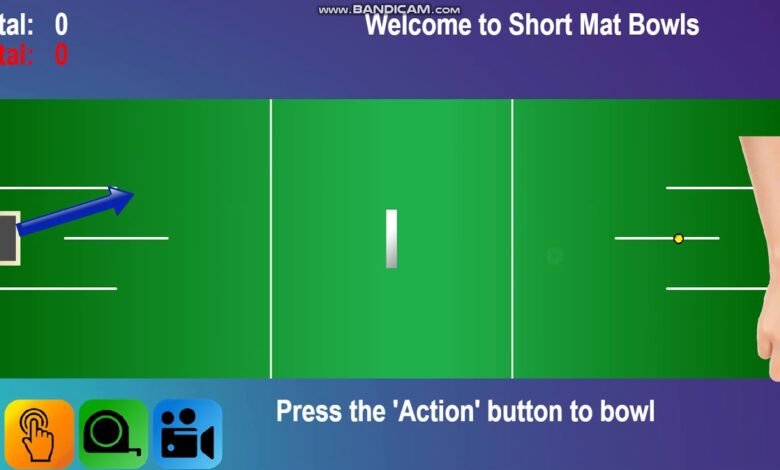
Short mat bowls rules define the structure and flow of one of the most popular indoor lawn sports played across the UK. The game is designed to be accessible, strategic, and highly engaging, allowing players of all ages to compete in a controlled indoor environment. Unlike outdoor bowls, this version is played on a shorter carpeted mat with specific markings and obstacles that shape every shot.


Understanding short mat bowls rules is essential for beginners who want to enjoy the game properly and avoid common mistakes. These rules ensure fair play, consistent scoring, and structured gameplay across clubs and competitions. Whether you are playing socially or in a league, knowing the fundamentals helps you build confidence and improve your performance from the very first match.
Understanding gameplay in short mat bowls rules
Short mat bowls rules explain that the main objective of the game is to deliver biased bowls as close as possible to the jack. Each player or team takes turns rolling their bowls down the mat, carefully judging weight, line, and angle. The indoor setting removes weather conditions, meaning skill and accuracy become the deciding factors in every end.
A key feature within short mat bowls rules is the central block placed in the middle of the mat. Players must curve their bowls around this obstacle, adding a layer of tactical complexity. This makes the game more challenging and rewarding, as success depends on precision and strategic thinking rather than raw strength.
Equipment and setup in short mat bowls rules
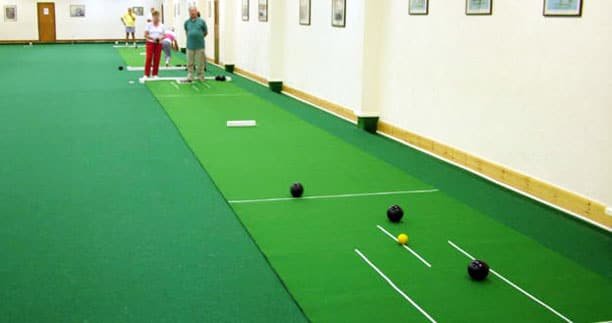
Short mat bowls rules specify a carefully designed setup that ensures fairness and consistency. The game is played on a mat typically around 40 to 45 feet long, with fenders at each end to contain play. A wooden block is positioned in the centre, which plays a major role in shaping shot selection and strategy.
According to short mat bowls rules, players must also use approved biased bowls and a jack. The delivery area includes a small rubber mat where players must place at least one foot during delivery. This ensures consistency in technique and prevents unfair advantages, making equipment standards a vital part of the game.
Scoring system explained in short mat bowls rules
Short mat bowls rules state that scoring is determined at the end of each round, known as an end. Once all bowls have been played, the team with the closest bowl to the jack earns points. Additional points are awarded for every bowl that is closer than the opponent’s nearest bowl, making accuracy extremely important.
In some situations, short mat bowls rules also allow for ends to be declared dead. This happens when the jack is displaced off the mat or certain rule violations occur. When this happens, the end may be replayed, ensuring fairness and maintaining the competitive balance of the match.
Team formats within short mat bowls rules
Short mat bowls rules allow for several team formats, including singles, pairs, triples, and fours. Each format offers a different level of complexity and strategy. In singles, players rely entirely on individual skill, while team formats introduce communication and tactical coordination between players.
In fours matches, short mat bowls rules assign specific roles such as lead, second, third, and skip. Each role has a unique responsibility within the team strategy. The skip usually acts as the team captain, guiding decisions and delivering crucial final shots that often determine the outcome of the game.
Governing bodies and official short mat bowls rules
In the UK, short mat bowls rules are regulated by the English Short Mat Bowling Association, which oversees official competitions and ensures standardised gameplay. These regulations are essential for maintaining consistency across clubs and tournaments, allowing players from different regions to compete fairly under the same conditions.
Short mat bowls rules may vary slightly between England, Wales, and other regions, but the core principles remain consistent. Official rulebooks provide detailed explanations of legal shots, equipment standards, and match procedures. Players competing at higher levels are encouraged to study these documents carefully to avoid penalties and improve their understanding of competitive play.
Beginner guide to short mat bowls rules
For new players, short mat bowls rules may initially seem detailed, but they are easy to understand with practice. Beginners are encouraged to focus on learning basic delivery techniques, understanding scoring, and getting familiar with the layout of the mat. With time, these rules become second nature during gameplay.
Most clubs introduce short mat bowls rules gradually, helping beginners build confidence step by step. Friendly matches and coaching sessions allow new players to develop skills in a relaxed environment. As experience grows, players begin to appreciate the strategic depth that makes the sport both challenging and enjoyable.
Advanced aspects of short mat bowls rules
As players progress, short mat bowls rules introduce more advanced concepts such as touchers, dead bowls, and complex jack movements. A toucher is a bowl that makes contact with the jack and remains live even if it ends up in the ditch, adding tactical importance to precision shots.
Short mat bowls rules also cover situations like measuring disputes and end replays. In close games, millimetres can decide scoring outcomes, so accurate measurement is essential. These advanced rules add excitement and intensity, especially in competitive matches where every shot can influence the final result.
Indoor variations in short mat bowls rules
Short mat bowls rules differ from outdoor bowls due to the indoor playing environment. The shorter mat, central block, and controlled conditions create a unique version of the sport that focuses heavily on precision and tactical thinking. Weather conditions do not affect play, making consistency more important than power.
Despite these differences, short mat bowls rules maintain the same fundamental objective: to place bowls closer to the jack than your opponent. The indoor format makes the game more accessible throughout the year, allowing clubs to operate regardless of season or weather conditions across the UK.
Conclusion on short mat bowls rules
Short mat bowls rules provide a structured and fair framework that makes the sport enjoyable for beginners and experienced players alike. From scoring systems to team formats, every rule is designed to encourage skill, strategy, and sportsmanship. Understanding these rules is essential for improving performance and enjoying competitive play.
Whether played casually or in formal competitions, short mat bowls rules ensure consistency across all levels of the game. With guidance from official organisations and regular practice, players can quickly develop their skills and enjoy the strategic depth that makes this indoor sport so popular across the UK.