One of the most common questions asked by NHS employees approaching retirement is: is the 1995 NHS pension lump sum taxable? Understanding the tax treatment of pension benefits is an essential part of retirement planning, particularly for those who have spent many years working within the National Health Service. The answer is generally reassuring, as most members of the 1995 NHS Pension Scheme receive their lump sum without paying tax on it.


The reason this topic attracts so much attention is that retirement income can come from several different sources, each with its own tax rules. While the monthly pension paid after retirement is usually taxable, the lump sum element is treated differently. Knowing exactly how these rules work can help NHS staff make confident decisions about their future finances and avoid unnecessary concerns about unexpected tax bills.
Understanding the 1995 NHS Pension Scheme
The 1995 NHS Pension Scheme is one of the original sections of the NHS Pension Scheme and remains highly valued by many healthcare professionals. It was designed to reward long-term service by providing a guaranteed pension income alongside a lump sum payment upon retirement. Many employees who joined the NHS before pension reforms were introduced remain members of this section.
A key benefit of the scheme is the automatic lump sum that members receive when they retire. Unlike some newer pension arrangements where individuals may need to exchange part of their pension income for a cash payment, the 1995 section includes an automatic lump sum as part of the retirement package. This feature has made the scheme particularly attractive for those seeking financial security in retirement.
How the Tax-Free Lump Sum Works
When discussing whether the 1995 NHS pension lump sum is taxable, it is important to understand the concept of tax-free cash. HMRC allows pension savers to take a portion of their retirement benefits as a tax-free lump sum, subject to certain limits and conditions. This rule applies across many pension schemes in the United Kingdom.
For most members of the 1995 NHS Pension Scheme, the automatic lump sum falls comfortably within the available tax-free allowance. As a result, retirees typically receive the full amount without any tax deductions. This can provide a significant financial boost at the beginning of retirement, helping individuals fund major purchases, repay debts, or create a financial cushion for the years ahead.
When the 1995 NHS Pension Lump Sum Could Be Taxable
Although the answer to the question “is the 1995 NHS pension lump sum taxable” is usually no, there are situations where taxation may apply. Individuals with substantial pension savings across multiple schemes may find that the total amount of tax-free cash they receive exceeds the limits set by HMRC. In such circumstances, part of the lump sum could become subject to tax.
Another factor to consider is the individual’s overall pension position. Some retirees may have enhanced protections, additional pension arrangements, or large retirement benefits accumulated throughout their career. These circumstances can create more complex tax outcomes. While such situations are less common, they demonstrate why it is important to review your pension benefits carefully before making retirement decisions.
How the 1995 NHS Pension Lump Sum Is Calculated

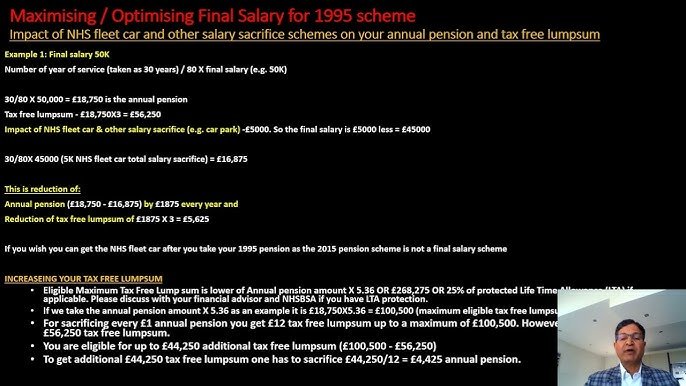
The calculation of benefits under the 1995 NHS Pension Scheme follows a relatively straightforward structure. Members receive an annual pension based on factors such as pensionable service and earnings history. Alongside this annual income, they receive an automatic lump sum worth three times the value of their yearly pension entitlement.
For example, if a retired NHS employee qualifies for an annual pension of £15,000, they would typically receive a lump sum of £45,000. This predictable calculation method makes it easier for members to estimate their retirement benefits and plan their finances effectively. Understanding how the lump sum is calculated can also help retirees evaluate whether additional financial planning may be required.
Taking Additional Cash Through Pension Commutation
Some NHS pension members may wish to receive a larger lump sum at retirement. This can often be achieved through a process known as pension commutation. In simple terms, commutation allows individuals to exchange part of their annual pension income for additional tax-free cash at the point of retirement.
While this option may appear attractive, it requires careful consideration. Taking more cash upfront means accepting a lower pension income for the rest of retirement. For some people, the flexibility of having additional money immediately may outweigh the reduction in future income. For others, maintaining a higher guaranteed pension may provide greater long-term security.
Understanding Tax on NHS Pension Income
Many people focus on whether the 1995 NHS pension lump sum is taxable but overlook the taxation of regular pension income. While the lump sum is generally tax-free, monthly NHS pension payments are treated as taxable income by HMRC. This distinction is important because it affects how much money retirees ultimately receive each year.
The amount of tax payable depends on total income from all sources. This may include the NHS pension, the State Pension, private pensions, employment income, and investment income. Depending on individual circumstances, tax may be collected through the Pay As You Earn system. Understanding these rules can help retirees budget more effectively and avoid surprises.
Retirement Planning for NHS Pension Members
Successful retirement planning involves much more than simply asking whether the 1995 NHS pension lump sum is taxable. Retirees should consider their overall financial needs, future spending plans, and expected sources of income. A well-planned retirement strategy can help ensure that pension benefits are used in the most effective way possible.
Reviewing retirement objectives before taking benefits can make a significant difference. Some individuals may prioritise a larger lump sum to clear debts or support family members, while others may prefer a higher monthly pension. Evaluating these choices carefully allows NHS pension members to align their retirement benefits with their personal financial goals.
Common Mistakes to Avoid
One common mistake is assuming that all pension-related payments are completely tax-free. While the lump sum may not attract tax in most circumstances, regular pension income is generally taxable. Failing to understand this distinction can result in unrealistic expectations about retirement income levels.
Another mistake is neglecting to consider other pension arrangements. Individuals with multiple pensions may face different tax considerations compared to those relying solely on the NHS Pension Scheme. Taking time to review all retirement benefits together can provide a clearer picture of future financial obligations and opportunities.
Conclusion
So, is the 1995 NHS pension lump sum taxable? In most cases, the answer is no. Members of the 1995 NHS Pension Scheme usually receive an automatic lump sum that falls within HMRC’s tax-free limits, allowing them to enjoy a valuable retirement benefit without an immediate tax charge. This feature remains one of the most attractive aspects of the scheme.
However, every retirement situation is unique. Factors such as additional pension arrangements, tax-free allowance limits, and overall retirement income can influence the final outcome. By understanding the rules and planning ahead, NHS employees can make informed decisions and maximise the value of their retirement benefits.