High Pressure Fuel Pump: Complete Guide to How It Works, Common Problems, Costs, and Maintenance Tips

high pressure fuel pump Modern vehicles depend on advanced fuel delivery systems to achieve better performance, improved fuel economy, and lower emissions. One of the most important components in these systems is the high pressure fuel pump, which plays a crucial role in supplying fuel to the engine at the correct pressure. Unlike older fuel systems that operated with relatively low fuel pressure, modern direct injection engines require extremely precise fuel delivery to ensure efficient combustion and smooth engine operation.

A high pressure fuel pump is designed to increase fuel pressure before delivering it to the fuel injectors. This allows fuel to be sprayed directly into the combustion chamber with greater accuracy, creating a more efficient air-fuel mixture. The result is improved engine power, faster throttle response, better fuel efficiency, and reduced emissions. Vehicles from many leading manufacturers now rely on this technology, especially those equipped with turbocharged petrol engines and modern diesel engines.
Understanding how a high pressure fuel pump works, recognising failure symptoms, and knowing proper maintenance methods can help vehicle owners avoid unexpected breakdowns and expensive repair bills. A failing pump can cause serious performance issues, including difficulty starting, reduced power, poor fuel economy, and engine warning lights. By learning the basics of this essential component, drivers can make better decisions about vehicle maintenance and repairs.
What Is a High Pressure Fuel Pump and How Does It Work?
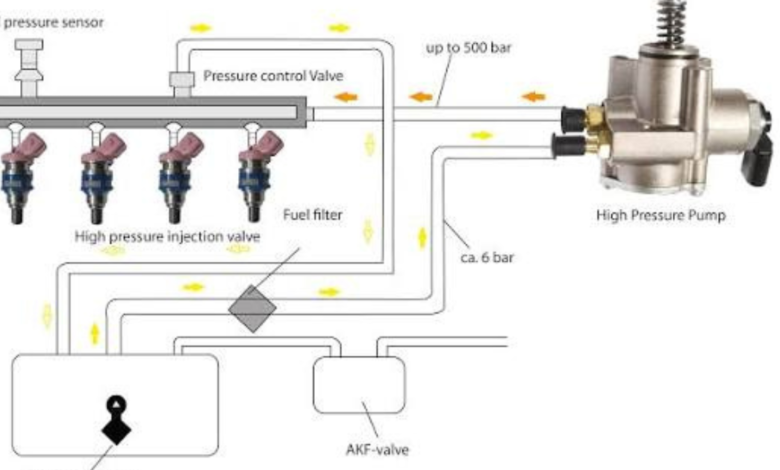
A high pressure fuel pump is a mechanical or electronically controlled device that increases fuel pressure before sending it to the engine’s injectors. It is a key part of direct injection fuel systems, where fuel needs to be delivered at extremely high pressure for proper combustion. The pump receives fuel from the low-pressure fuel pump inside the fuel tank and then compresses it to the required pressure level before transferring it through the fuel rail.
The working process of a high pressure fuel pump involves several connected components, including the fuel rail, fuel injectors, sensors, and engine control unit (ECU). The ECU constantly monitors engine conditions and adjusts fuel pressure according to factors such as engine speed, temperature, and driving conditions. This precise control ensures that the engine receives the right amount of fuel at the correct moment.
In petrol direct injection engines, the high pressure fuel pump allows fuel to be injected directly into the combustion chamber rather than into the intake manifold. Diesel engines also rely heavily on high pressure fuel pumps because diesel combustion requires very high fuel pressures for efficient operation. The pump’s ability to deliver consistent pressure is essential for smooth engine performance, reduced emissions, and maximum fuel efficiency.
Why Do Modern Engines Need a High Pressure Fuel Pump?
Modern engines are designed to provide more power while using less fuel, and the high pressure fuel pump is a major part of achieving this balance. By delivering fuel at higher pressure, the system creates a finer fuel spray that mixes more effectively with air. This improved fuel atomisation allows the engine to burn fuel more completely, increasing efficiency and reducing waste.
Turbocharged and direct injection engines especially depend on high pressure fuel pumps because they operate under demanding conditions. These engines require precise fuel control to handle increased air pressure created by turbochargers. Without a reliable high pressure fuel pump, the engine may struggle to maintain the correct fuel mixture, leading to performance problems and increased emissions.
Another important benefit of a high pressure fuel pump is improved engine response. When fuel reaches the injectors at the correct pressure, the engine can react faster to driver input. This provides smoother acceleration and more consistent power delivery. Manufacturers continue improving high pressure fuel pump technology because it helps vehicles meet stricter environmental regulations while maintaining strong performance.
Common Signs of a Failing High Pressure Fuel Pump
A failing high pressure fuel pump can create several noticeable problems that affect vehicle performance. One of the most common warning signs is reduced engine power. Drivers may experience slow acceleration, hesitation when pressing the accelerator, or difficulty maintaining speed. These issues occur because the engine is not receiving enough fuel pressure to support proper combustion.
Starting problems are another common symptom of a damaged high pressure fuel pump. A vehicle may take longer than usual to start, especially after sitting for several hours. In severe cases, the engine may fail to start completely because the fuel system cannot build enough pressure. Drivers should not ignore repeated starting difficulties because they may indicate a serious fuel delivery problem.
Other signs include rough idling, engine misfires, unusual noises from the fuel system, and increased fuel consumption. Modern vehicles may also display a check engine light when the ECU detects abnormal fuel pressure readings. Diagnostic tools can help identify whether the problem is related to the high pressure fuel pump or another fuel system component.
Main Causes of High Pressure Fuel Pump Failure
Several factors can contribute to high pressure fuel pump failure. One of the biggest causes is poor fuel quality. Contaminated fuel containing dirt, water, or other impurities can damage internal pump components and reduce performance over time. Using high-quality fuel from trusted sources is one of the simplest ways to protect the fuel system.
Lack of maintenance can also shorten the lifespan of a high pressure fuel pump. Fuel filters play an important role in removing harmful particles before fuel reaches sensitive components. When filters become blocked or are not replaced according to manufacturer recommendations, the pump may have to work harder, increasing wear and reducing reliability.
Mechanical wear is another natural cause of failure. Like many engine components, a high pressure fuel pump experiences constant movement and pressure changes during operation. Over time, internal parts may wear out, especially in vehicles with high mileage or those frequently driven in demanding conditions. Electrical issues, faulty sensors, and ECU problems can also affect pump operation and create incorrect fuel pressure readings.
High Pressure Fuel Pump Repair and Replacement Guide
When a high pressure fuel pump begins failing, proper diagnosis is essential before deciding on repair or replacement. Mechanics usually perform fuel pressure tests, computer diagnostics, and visual inspections to determine the exact cause of the problem. Since modern fuel systems are complex, replacing the pump without confirming the issue can lead to unnecessary expenses.
In some cases, related problems such as clogged fuel filters, damaged sensors, or electrical faults may be responsible for poor fuel delivery. Repairing these issues can restore normal operation without replacing the entire pump. However, if internal pump components are damaged, replacement is often the most reliable solution.
Replacing a high pressure fuel pump requires specialist knowledge because the component operates under extreme pressure. Professional installation ensures that the new pump is correctly fitted and calibrated with the vehicle’s fuel system. Attempting incorrect repairs can create additional problems and may affect engine performance.
High Pressure Fuel Pump Replacement Cost and Factors Affecting Pricing
The cost of replacing a high pressure fuel pump varies depending on several factors, including vehicle model, engine type, labour costs, and the quality of the replacement part. Some vehicles use more advanced fuel systems, which means their replacement pumps can be significantly more expensive than standard models.
Original manufacturer parts usually cost more but often provide better reliability and compatibility. Aftermarket options may be more affordable, but quality can vary between brands. Vehicle owners should carefully consider warranty coverage and manufacturer recommendations before choosing a replacement pump.
Although replacement costs can seem high, delaying repairs may lead to additional engine problems. A failing high pressure fuel pump can affect fuel injectors, engine performance, and other fuel system components. Addressing the issue early can help prevent more expensive repairs in the future.
How to Maintain a High Pressure Fuel Pump and Extend Its Lifespan
Proper maintenance is the best way to increase the lifespan of a high pressure fuel pump. Using clean, high-quality fuel helps prevent contamination that can damage internal components. Regular servicing and timely fuel filter replacement also reduce stress on the pump and keep the entire fuel system working efficiently.
Drivers should also pay attention to early warning signs such as unusual engine behaviour, poor acceleration, or starting difficulties. Ignoring these symptoms can allow a small fuel system problem to become a major repair. Regular diagnostic checks can identify potential issues before they cause serious damage.
Following the vehicle manufacturer’s maintenance schedule is another important step. Modern fuel systems require accurate servicing because even small problems can affect performance. With proper care, a high pressure fuel pump can provide reliable operation for many years.
Conclusion: Why Understanding Your High Pressure Fuel Pump Matters
A high pressure fuel pump is one of the most important components in modern vehicle engines. It ensures that fuel reaches the engine at the correct pressure, allowing efficient combustion, better performance, and improved fuel economy. As automotive technology continues to advance, these pumps will remain essential for meeting performance and environmental goals.
Recognising failure symptoms, maintaining the fuel system properly, and choosing quality replacement parts can help drivers avoid costly repairs. Regular maintenance, good fuel quality, and professional inspections are key to keeping a high pressure fuel pump operating efficiently.
FAQs About High Pressure Fuel Pump
What does a high pressure fuel pump do in a car?
A high pressure fuel pump increases fuel pressure and delivers it to the injectors for efficient engine combustion.
How long does a high pressure fuel pump usually last?
The lifespan depends on vehicle type, maintenance, fuel quality, and driving conditions, but many pumps can last for many years with proper care.
What are the first signs of a failing high pressure fuel pump?
Common signs include poor acceleration, starting problems, rough idling, reduced power, and engine warning lights.
Can a bad high pressure fuel pump damage the engine?
Yes, a failing pump can cause incorrect fuel delivery, which may affect engine performance and other components.
How much does a high pressure fuel pump replacement cost?
Costs vary depending on the vehicle model, replacement part quality, and labour charges.
Why do modern engines need a high pressure fuel pump?
Modern direct injection engines require high fuel pressure for efficient combustion, improved performance, and lower emissions.
Can I drive with a failing high pressure fuel pump?
Driving with a failing pump is not recommended because the problem can worsen and lead to more expensive repairs.
How can I maintain my high pressure fuel pump?
Using quality fuel, replacing filters regularly, and following the manufacturer’s service schedule can help extend pump life.
You May Also Read: ford bronco for sale near me
